In Minnesota the transition months can be tough for the silent sport enthusiast. What is a transition month? I consider them to be April and November, although it could bleed into May or start early in October. This is the time period where the Nordic ski season is over or hasn’t yet begun, but the weather is pretty cold for riding. In the spring, the single track trails likely won’t be open on a consistent basis due to rain and freeze/thaw conditions. This doesn’t mean we stop biking, we just need to prepare.
I tend to have cold hands, especially when riding in cool weather. In the past I have tried many different glove and mitten combinations but I wasn’t satisfied with any of them. Thin gloves provide the dexterity but lack the warmth, thick gloves are clumsy, and mittens are better but make shifting challenging. I finally made the decision to try over the handlebar covers and boy am I glad that I did.
One quick note, this post contains affiliate links. If you click and purchase I may receive a commission at no cost to you, but rest assured I would not endorse a product or brand that I don’t use myself.
I purchased two types of handle bar covers, one set for a road bike with drop bars and another for flat handlebars, and I’ll discuss them separately. First up is the drop bar covers. This pair is made of neoprene and slides on from the bar end. Installation only takes a few moments. One note on installation: my drop bars have no flare and these installed just fine, however, I could see that the fit might be different with drop bars that were flared. Unfortunately, I don’t have a bike with flared bars to try these on.
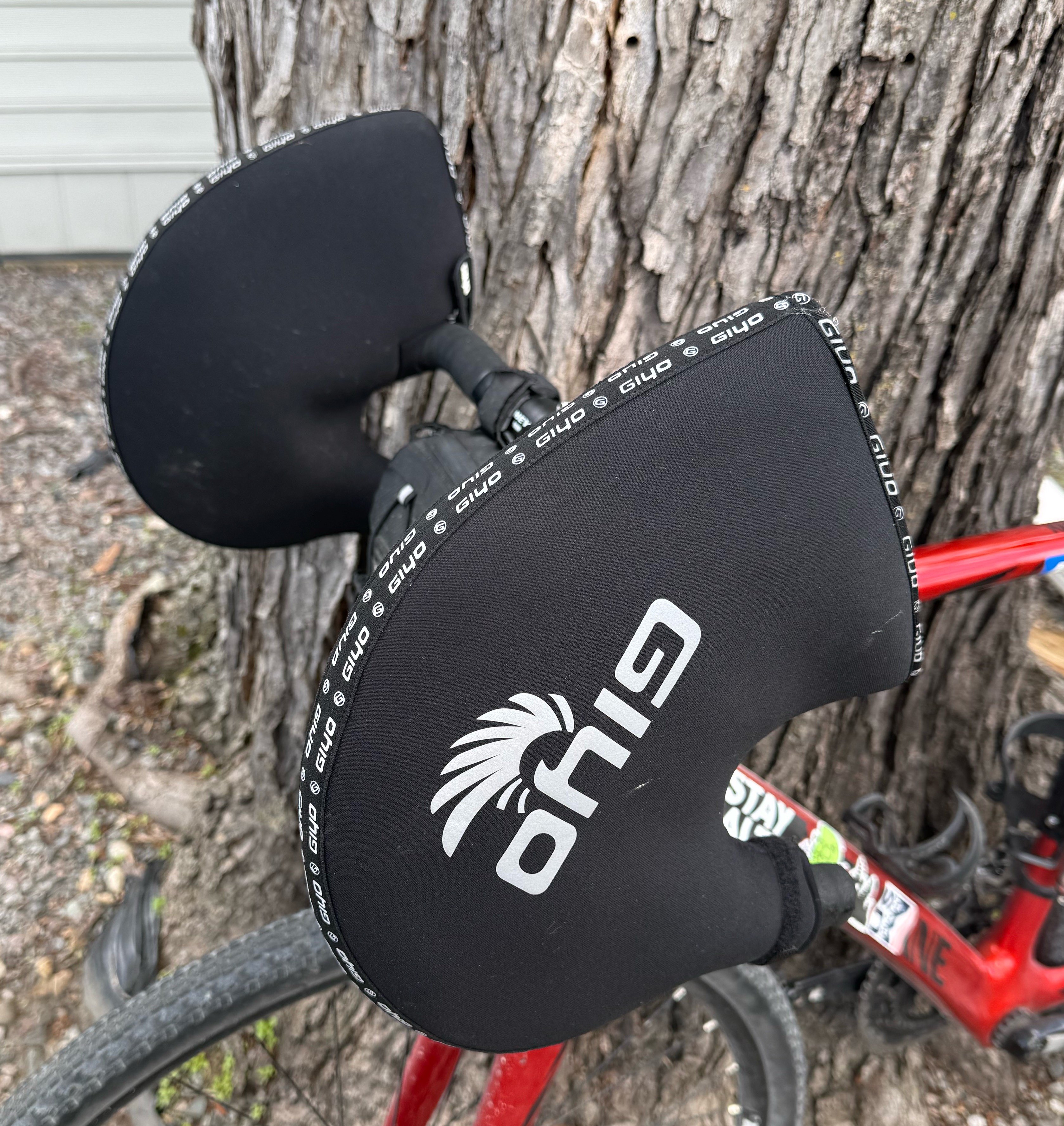
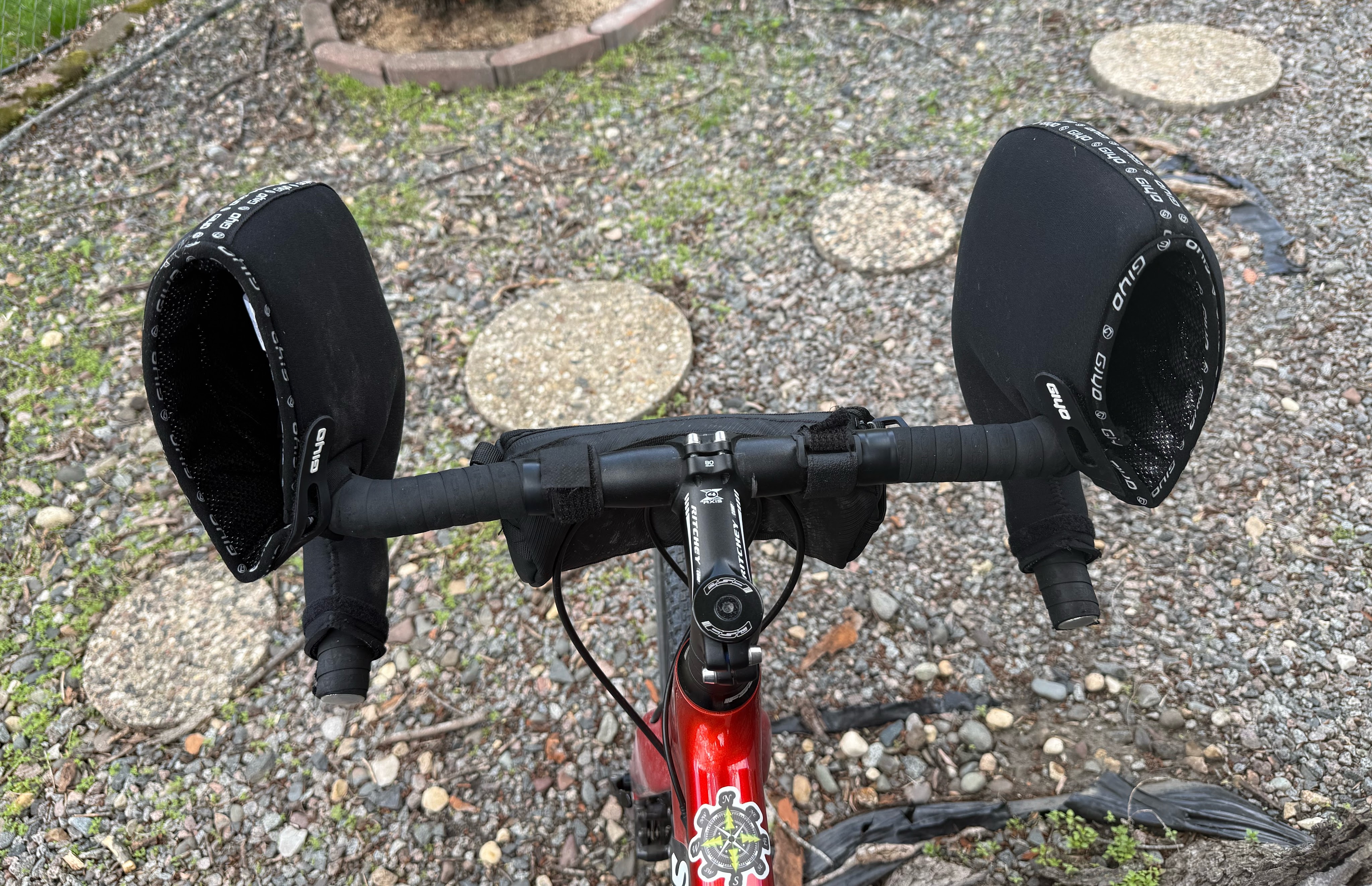
On the first ride with these I went for it and wore no gloves or liners and experienced something very unusual for a cold weather ride…sweaty hands! I must say, these were a game changer for me. I loved the ability to not wear gloves, allowing me to use electronics, eat and drink unencumbered, while still keeping my hands warm. In fact, one downside was that the sweat made the grip a little slippery inside the covers. I would recommend adding a pair of thin fingerless gloves to use in addition to the covers. The thin gloves will help absorb moisture without sacrificing anything else. My hands were warm, but what about the biking? There are a few things to consider here, since the shifters and brakes are covered, you need to pay a bit more attention and keep your hands inside, predominantly in the relaxed position. The covers don’t allow for getting down into an aggressive position on the drops. To me this isn’t really a problem, If I am going for a cold weather ride I’m less concerned about cranking out watts than getting time in the saddle. Although it only takes a second to get your hands inside, it could still be enough to throw you off your game, especially if needing to reach your brakes in a hurry, just be aware.
The next pair of covers are made for a flat bar bike. These slide on from the end and cinch down with velcro and shock cord. The style of these is more like a puffy winter coat with cuffs, but the result is the same: warm hands, but you might want a thin liner for moisture control. This style was just a bit more difficult to get your hands in and out of due to having less structure than the neoprene, but also felt more “cozy”. I don’t do any winter fat-biking, but I would imagine these would excel. My wife rides a flat-bar bike to work and she uses these on her commute whenever the temperature drops. They are easy enough to use in the morning but take off and put in a backpack if the temperature warms by the afternoon.
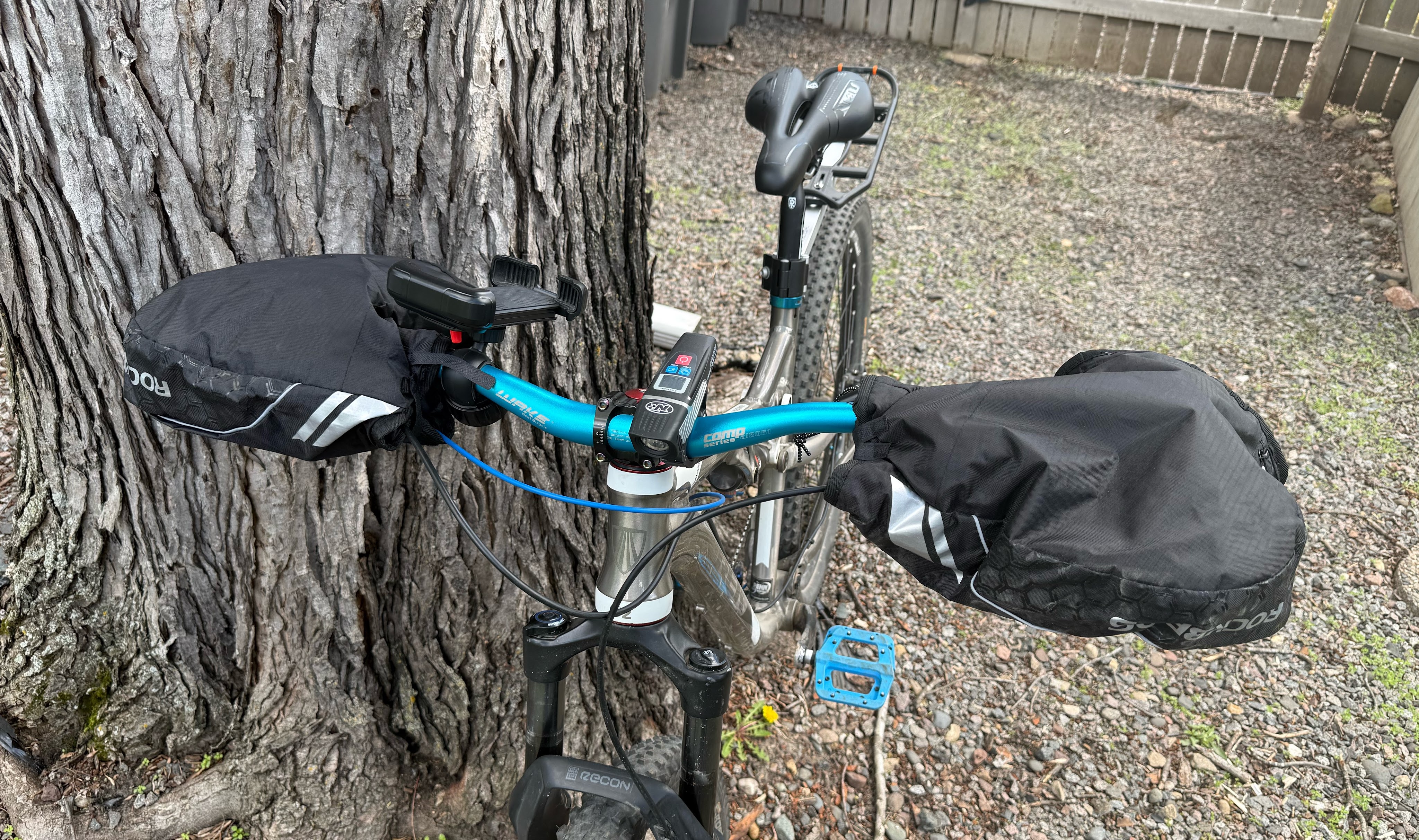
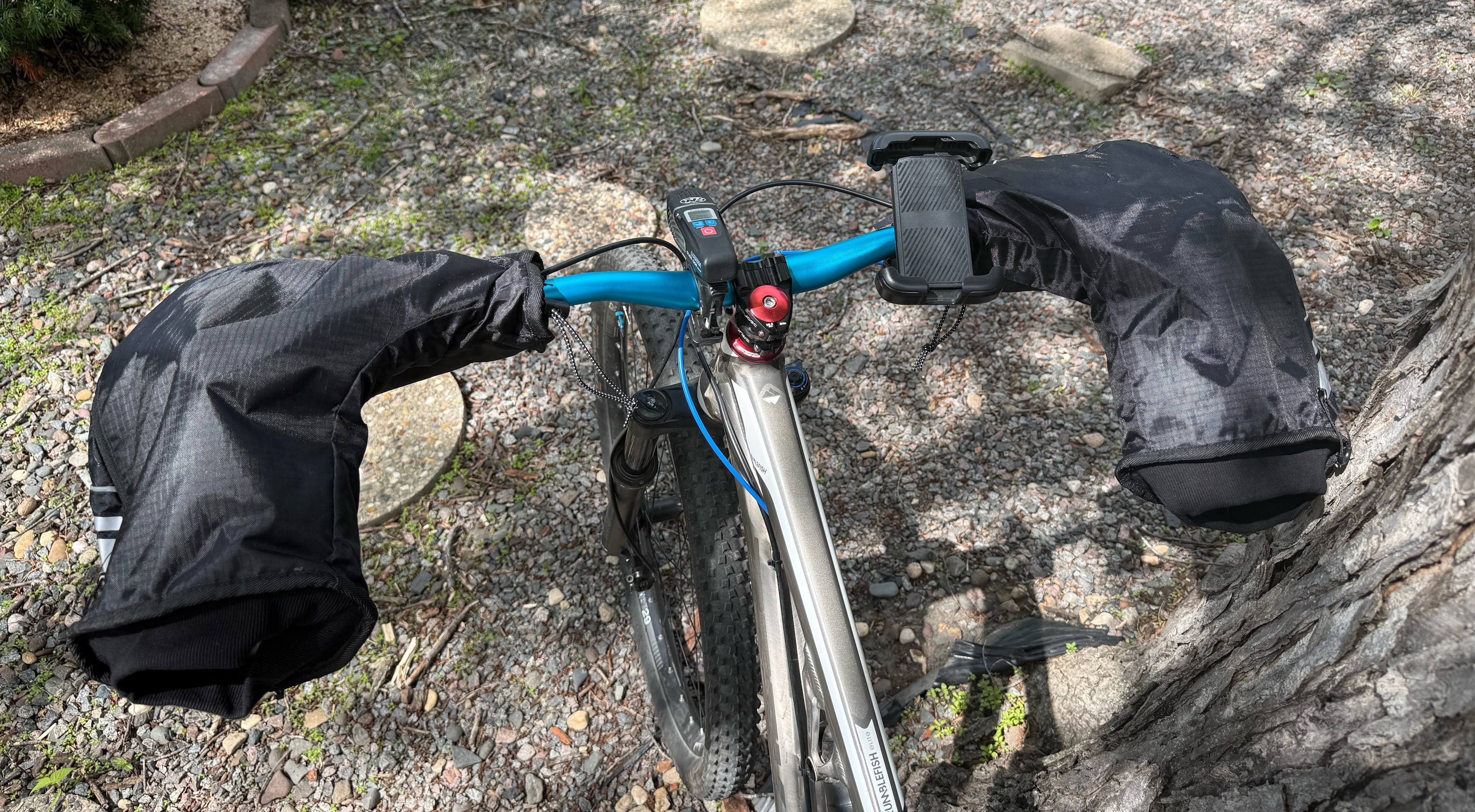
When the weather still calls for an underlayer, these mittens save the day for me. There are many different styles, brands and materials, but here are the two that I purchased on my own dime and will continue to use. Note that the branding on the drop bar mittens is different from what is pictured, but I double checked my purchase history and they are the same.
CXWXC Handlebar Mittens – for drop bars
ROCKBROS Handlebar Covers – for flat bars
Enjoy every mile!
 silent sports